A boutique hotel is usually small, independent and designed with a point of view. That can mean a beautiful room and a host who remembers your name. It can also mean a beautiful lobby, a cramped bedroom and no one at reception after 9pm. The label is not protected, so the only useful question is what you are paying for.
What Makes a Hotel Boutique
In practice, boutique means fewer rooms, a stronger design and a more personal service style. There is no universal star rating and no minimum service standard. A 12-room guesthouse with a great breakfast can call itself boutique, and so can a 60-room property with a famous designer and a queue at check-in.
Look at the room count and the ownership. Independently owned properties tend to have more character and more variability. Chain "boutique" brands can be consistent but bland. Neither is automatically better; know which one you are booking.
Room Size and the Photograph Trick
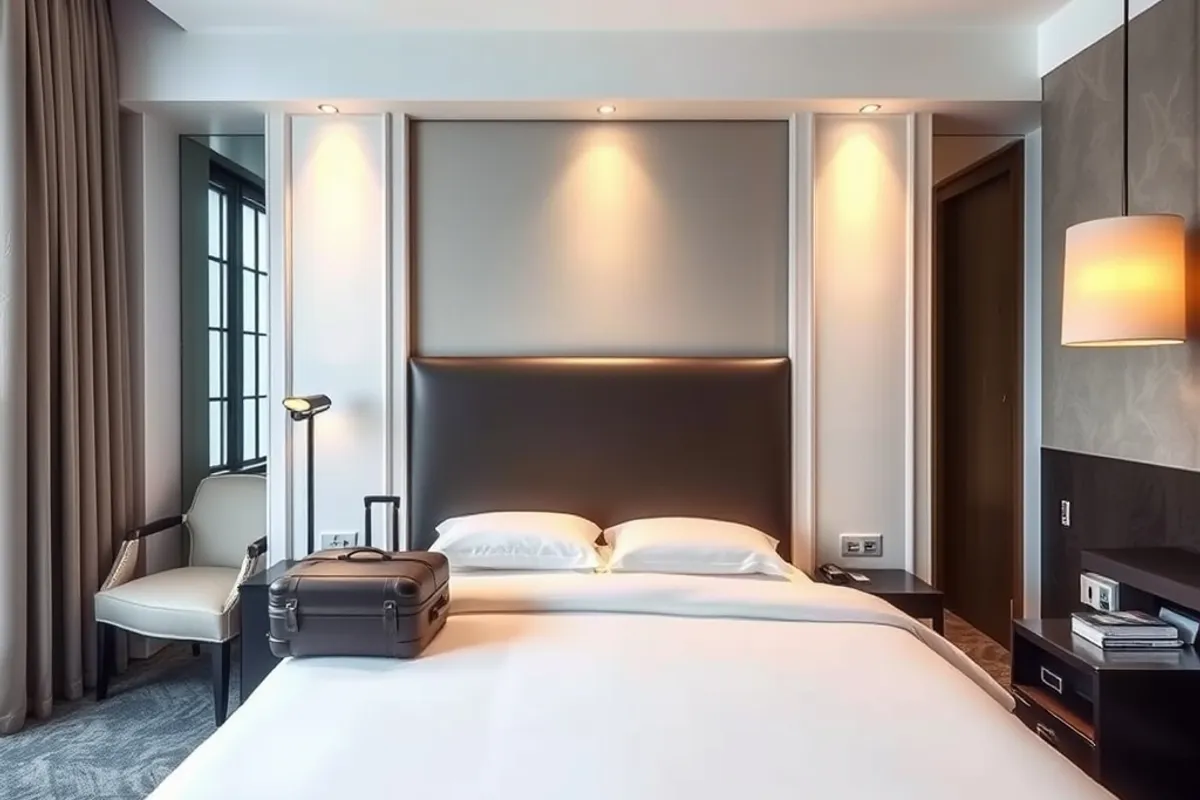
Wide-angle photography makes a small room look generous. Check the square metres and the bed size, then compare them with a hotel you already know. A 20-square-metre room with a king bed can feel tight for two suitcases. A 25-square-metre room with a desk and a chair is a different stay.
Look at the floor plan if it is available. If not, ask where the luggage goes and whether the bathroom has a door that closes properly. A glass bathroom wall looks stylish in a photo and is awkward when two people share a room. Ask for a recent guest photo of the exact room type.
- Check square metres, bed size and storage
- Confirm breakfast is included, not just available
- Ask about reception hours and late arrival
- Read reviews for noise and hot water
- Compare the direct rate with the platform rate
Service Ratios
Small hotels can offer better service because there are fewer guests per staff member. They can also offer none, because the same person is cooking breakfast and cleaning rooms. Ask how many staff are on site during your stay and what happens overnight.
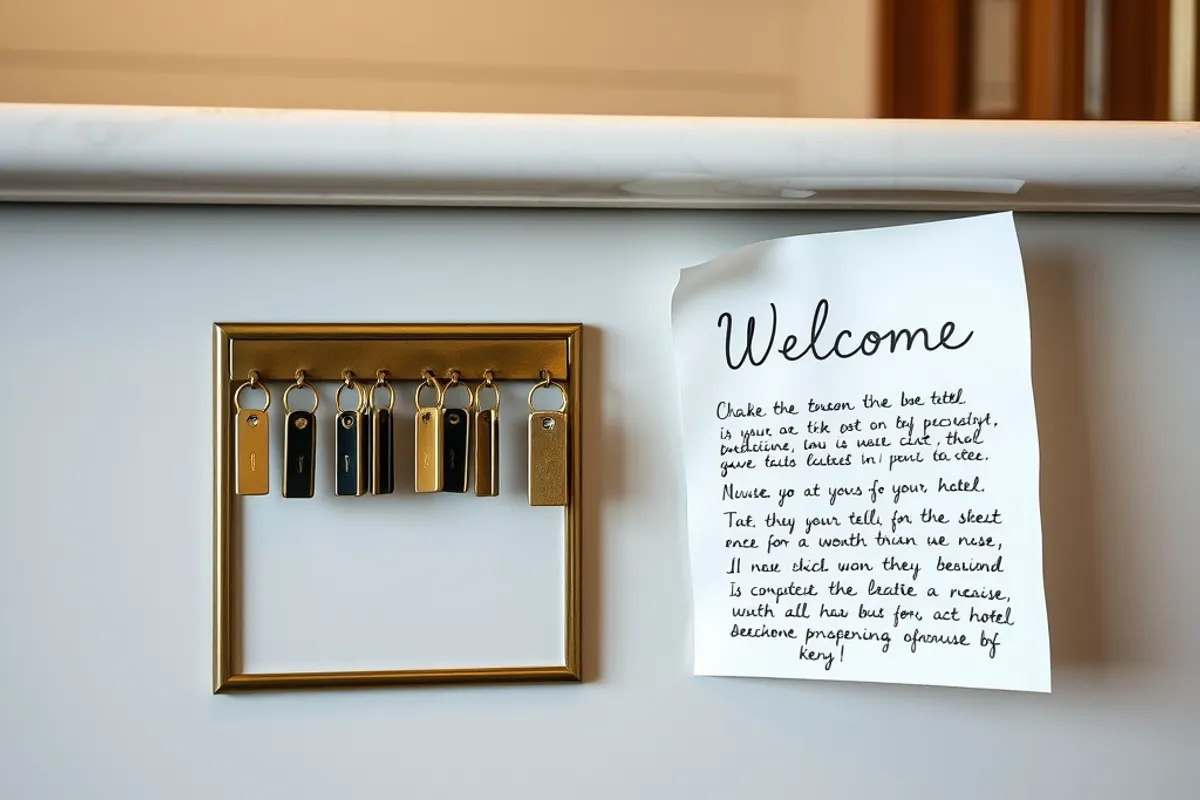
If you arrive late, confirm that someone will be there. A key box is fine if it is explained; it is not fine if you find out at the door. Ask for the emergency number and test that it works before you travel. Personal service is only personal if someone answers.
Breakfast and the Extra Charges
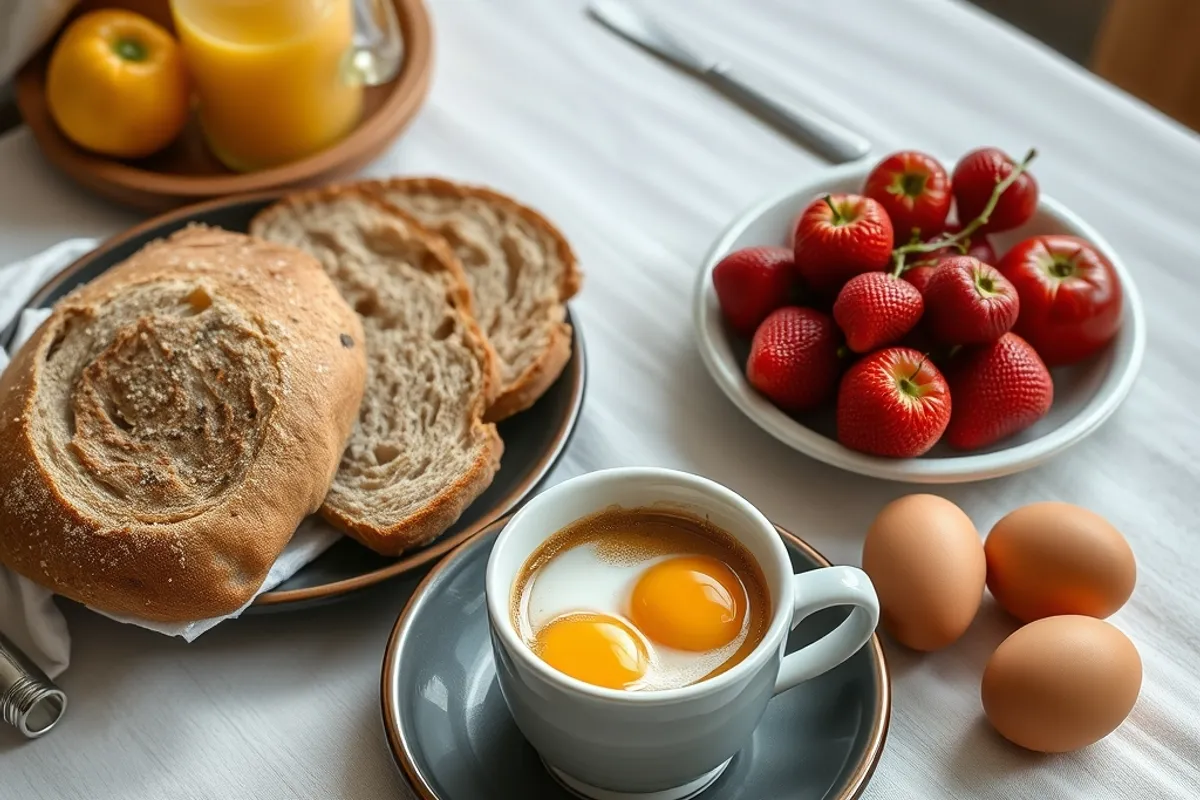
A boutique breakfast is often a highlight: local bread, fruit, eggs cooked to order. It can also be a continental basket with a $25 per-person charge. Check whether breakfast is included, what time it starts and whether it can be taken early for a day trip.
Add the extras before you compare rates. Breakfast, parking, tourist tax, a welcome drink and a late checkout can add 20 percent. A higher room rate with breakfast and parking included may be the cheaper stay once the total is written down.
You are not paying for the lobby. You are paying for the hours you spend in the room and the people who answer when something breaks.
Location and Noise
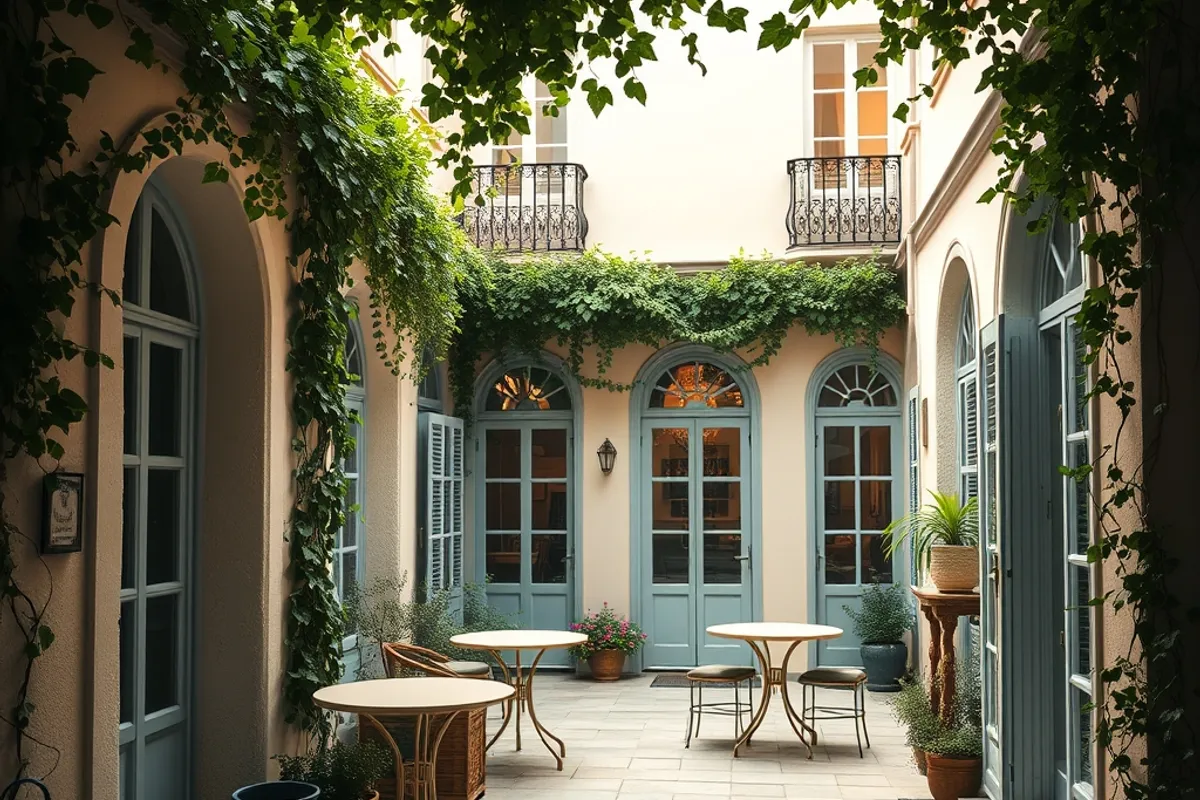
Boutique hotels are often in old buildings on lively streets. That is part of the charm and part of the problem. Check the nearest bar, the delivery hours and the church bells. Ask for a room at the back if you are sensitive to noise, and confirm that the windows actually close.
Look at the walk to breakfast, transport and the main activity. A hotel in a beautiful but remote lane can be a 15-minute walk from everything. That is fine in daylight and less fine with luggage or after dinner. Street view is more honest than the gallery.
Direct Booking vs Platforms
Book direct when the hotel offers a clear rate, a real cancellation policy and a person who answers email. You may get a better room, a flexible check-in or a breakfast included. Book through a platform when you need buyer protection and a written policy that the property cannot change.
Compare the total, not the headline. A platform may add a service fee; a direct rate may exclude tax. Ask the hotel to match the platform's cancellation terms in writing. If they will not, decide which protection matters more.
Deposit, Cancellation and Refunds
Small hotels often have stricter cancellation terms than chains because one empty room hurts more. Read the deadline, the time zone and the refund method. A "free cancellation" rate may still charge a card fee or a deposit. Get the policy in the confirmation email, not just on the booking page.
Pay by credit card where possible. If the hotel asks for a bank transfer to a personal account, treat that as a risk. A legitimate small property can still accept a card or a platform payment. Do not send a large deposit without a written contract.
A Booking Checklist
Confirm the room type, the size, the bed, the view and the floor. Confirm breakfast, tax, parking and reception hours. Confirm the cancellation deadline and the refund method. Read the three-star reviews. Ask one question by email and see how quickly and clearly they answer.
If the answers are clear, the property is probably well run. If they are vague, the stay may still be fine, but you are taking a chance. For the design-led version of this decision, read Design Hotels 2026.