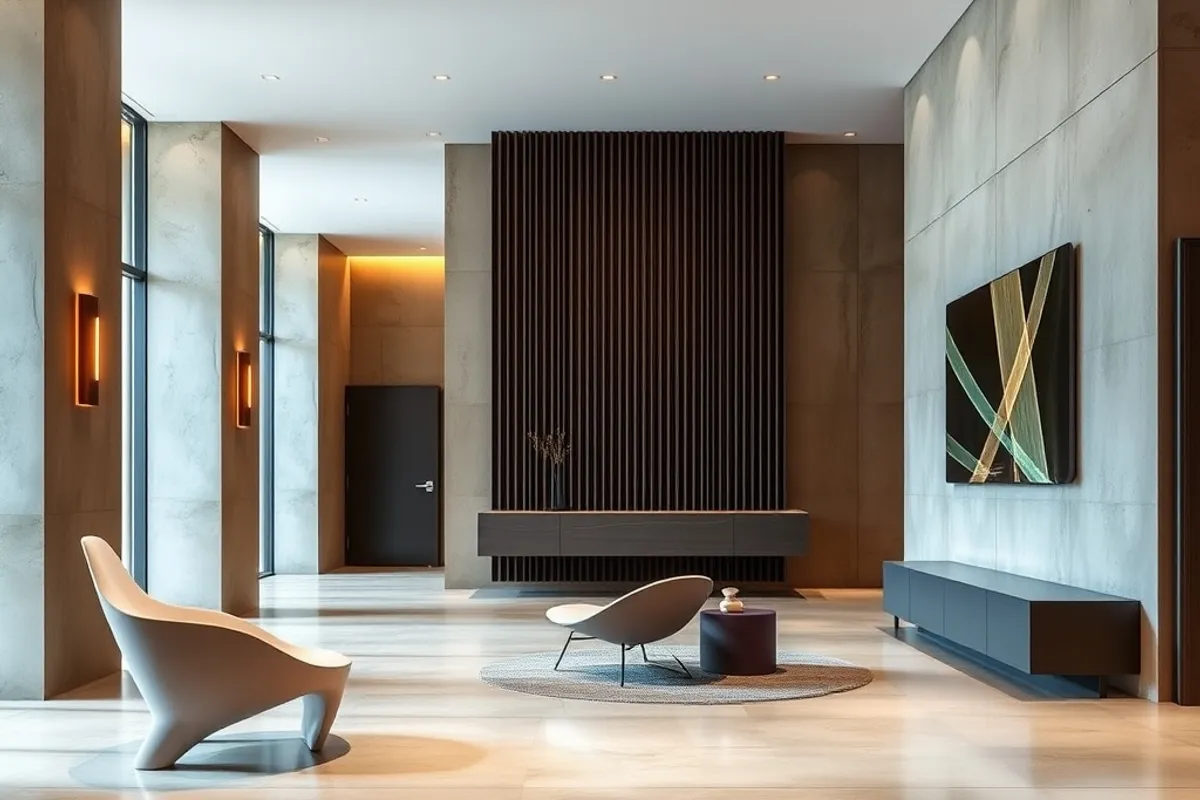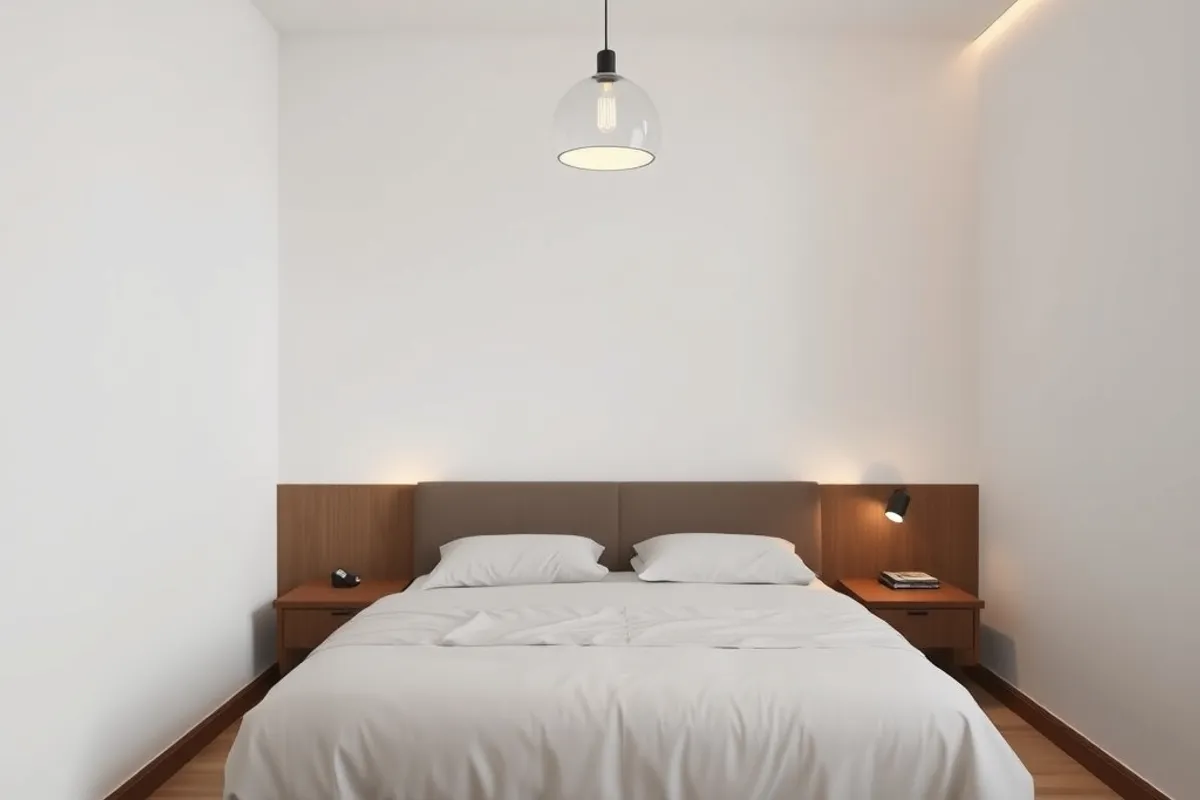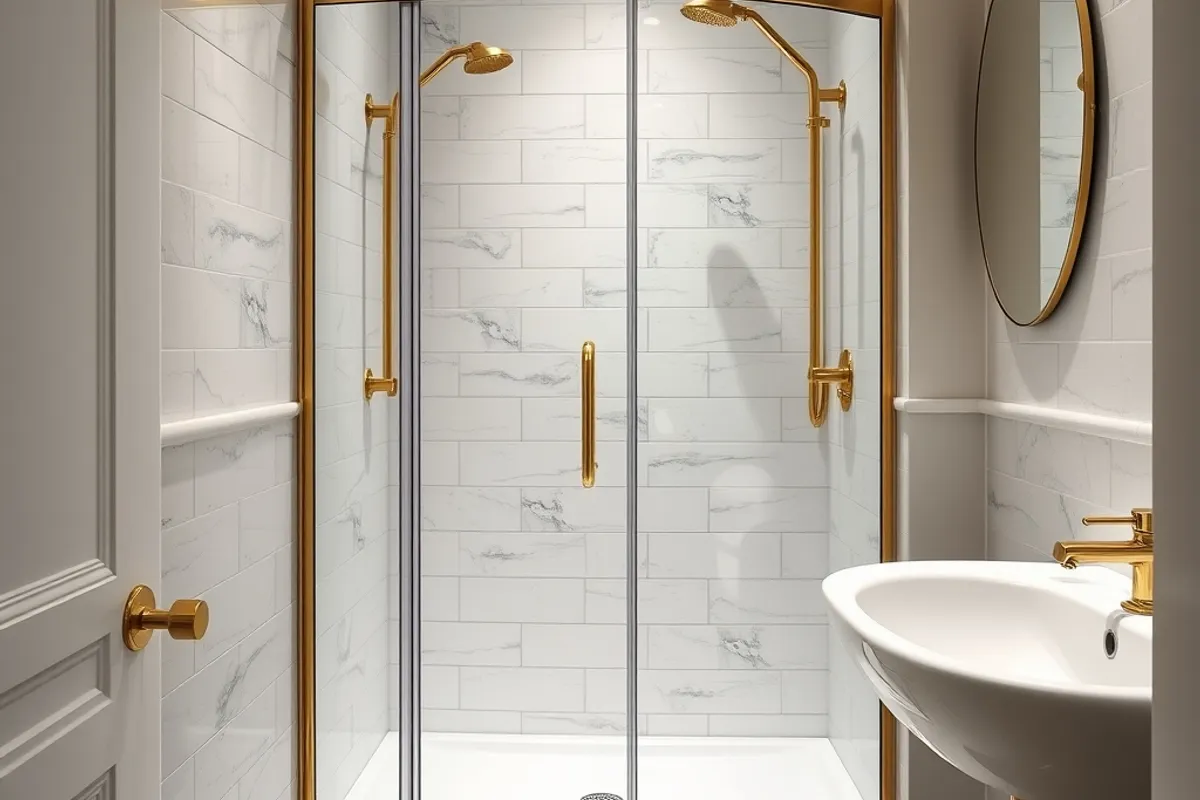
Design hotels sell an atmosphere. The photographs show a sculptural chair, a deep bathtub and a lobby that looks like a magazine shoot. None of that tells you whether the room is quiet, the bed is comfortable or the shower has enough pressure. Style is easy to photograph. Comfort is not.
Design Is Not the Same as Comfort
A beautiful room can fail on the basics: a mattress that has gone soft, a bedside light you cannot reach, a wardrobe with three hangers. Design is a set of decisions, and some of those decisions are made for the photograph rather than the guest. Your job is to find out which ones.
Read reviews for the words that matter: slept, quiet, shower, storage, staff. A guest who mentions the bed and the blackout curtains is more useful than one who praises the "vibe". Look for reviews from business travellers and light sleepers; they tend to notice the practical details.
The Lobby Test
The lobby tells you how the hotel wants to be seen. It does not tell you how it runs. A stunning lobby with no one at the desk is a warning. A simple lobby with a staff member who looks up and helps is a better sign. Watch how the team handles a queue, a luggage request and a question they do not know the answer to.
Ask a small question before you book: what time is breakfast, and is it included? The speed and clarity of the reply predict the service more reliably than the design awards on the website.
- Check mattress age and blackout curtains
- Look for reachable bedside lighting and sockets
- Confirm storage for two suitcases
- Read reviews for shower pressure and noise
- Ask what the design premium includes
Room Layout and Storage
Open-plan rooms look larger in photos and can be awkward in use. A glass bathroom, a bed in the middle of the room and a single hanging rail are design choices that work for one night and fail for four. Check the layout, the bathroom door and the luggage space.
Ask where the suitcases go. If the answer is "under the bed", confirm the bed height. If the answer is "in the wardrobe", confirm the wardrobe depth. A room with no chair is fine for a short stay and tiring for a longer one. Design should solve a problem, not create one.
Lighting, Sound and Sleep
Good design hotels get lighting right: a switch by the bed, a reading light that does not wake your partner and blackout curtains that actually meet. Bad ones put a single mood light in the ceiling and call it a scheme. Ask for a photo of the bedside area if the listing does not show one.
Sound is the other half of sleep. Check for a bar, a lift shaft or a busy street. Ask for a high floor at the back. A design hotel in a heritage building may have thin walls and original windows; charm does not block noise. Bring earplugs if you are sensitive.
The best design hotel is the one you stop noticing after ten minutes because everything works.
Materials That Age
Natural stone, solid wood and quality linen age well. Cheap veneer, untreated brass and pale fabric show every mark. A hotel that opened two years ago may already look tired if the materials were chosen for the opening photographs. Recent reviews will mention scuffs, stains and smells.
Look at photos from guests, not just the official shoot. Search for the room type you booked, not the suite. A hotel can be beautiful at the top and ordinary at the entry level. The rate you pay should match the room you actually get.
Service Behind the Style
Design hotels often run on a small team. That can mean warm, personal service and long waits when the bar is busy. Ask about reception hours, room service and late check-in. If the hotel has no overnight staff, know how to reach someone in an emergency.
Check whether breakfast is cooked to order or a buffet that has been sitting out. Ask if the restaurant takes outside guests, which can make it hard to get a table. A beautiful hotel that cannot feed you at 9pm is a design object, not a hotel.
The Price Premium
Design hotels charge for atmosphere, location and scarcity. Decide what that is worth to you. If you plan to spend the day out and return only to sleep, pay for comfort and location, not the lobby. If the hotel is part of the trip, the premium can be justified.
Compare the design hotel with a well-run independent property nearby. Sometimes the difference is a better bed and a quieter street for half the price. Sometimes the design hotel is genuinely better. The only way to know is to compare the room, the service and the total cost line by line.
When to Walk Away
Walk away if the hotel cannot confirm the room size, the bed, the breakfast or the cancellation policy. Walk away if the reviews repeatedly mention noise, heat or a rude reception. Walk away if the deposit request feels unusual. Style is not a substitute for basic competence.
If the answers are clear and the room fits your trip, the premium may be worth it. For the booking process, read Boutique Hotel Booking Guide 2026 before you pay.