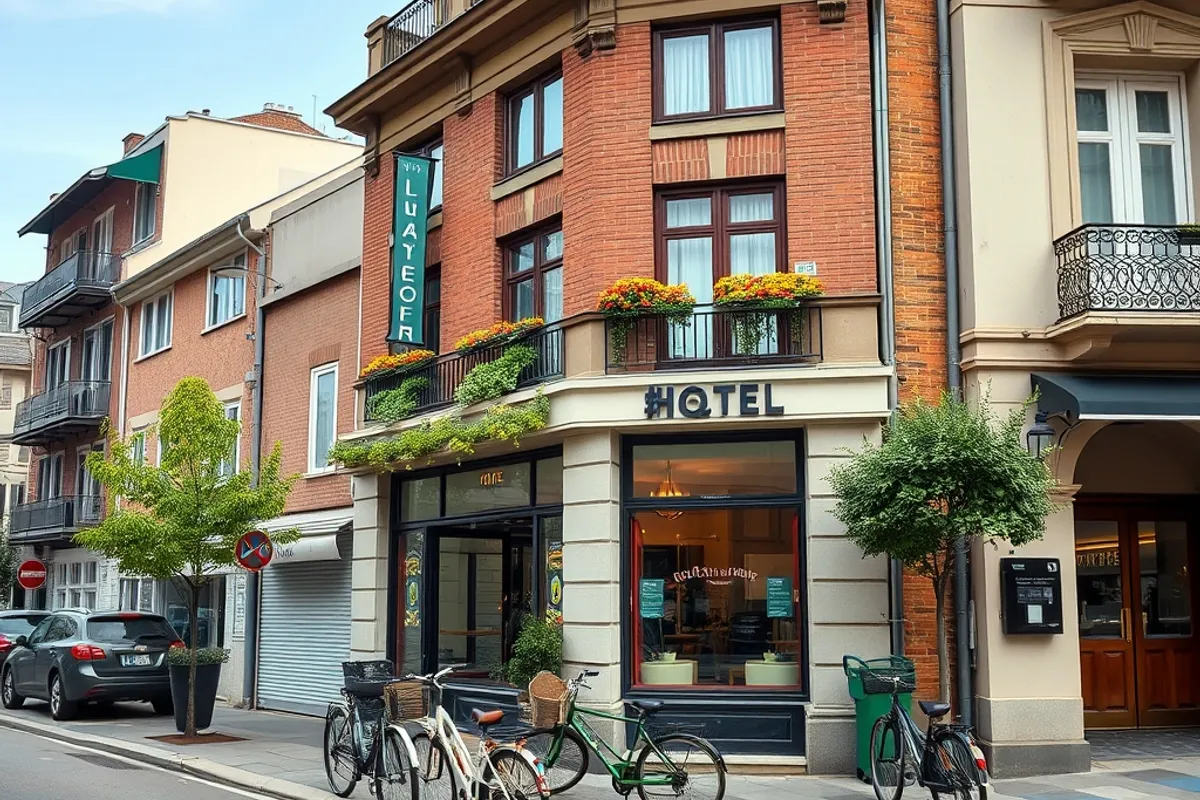
Hotel searches sort by price, stars and distance from the centre. None of those tells you whether the area suits your trip. A room near the main station is perfect for an early train and miserable for a late dinner. A quiet residential street is lovely at night and dull at 3pm. The neighbourhood is the decision; the hotel is the detail.
Start With the Purpose of the Trip
Write down the three things you will actually do. If two are in the museum quarter and one is a dinner across town, stay near the museum quarter. If the trip is a concert and a market, stay between them. If you are visiting friends, stay near the friends. The purpose decides the area faster than any list of "best neighbourhoods".
Business trips have a different logic. You want the shortest reliable commute, a quiet room and food within ten minutes of the hotel. A charming old-town address can add 30 minutes each way and a noisy street at midnight. Save the charm for the evening walk.
The Transit Test
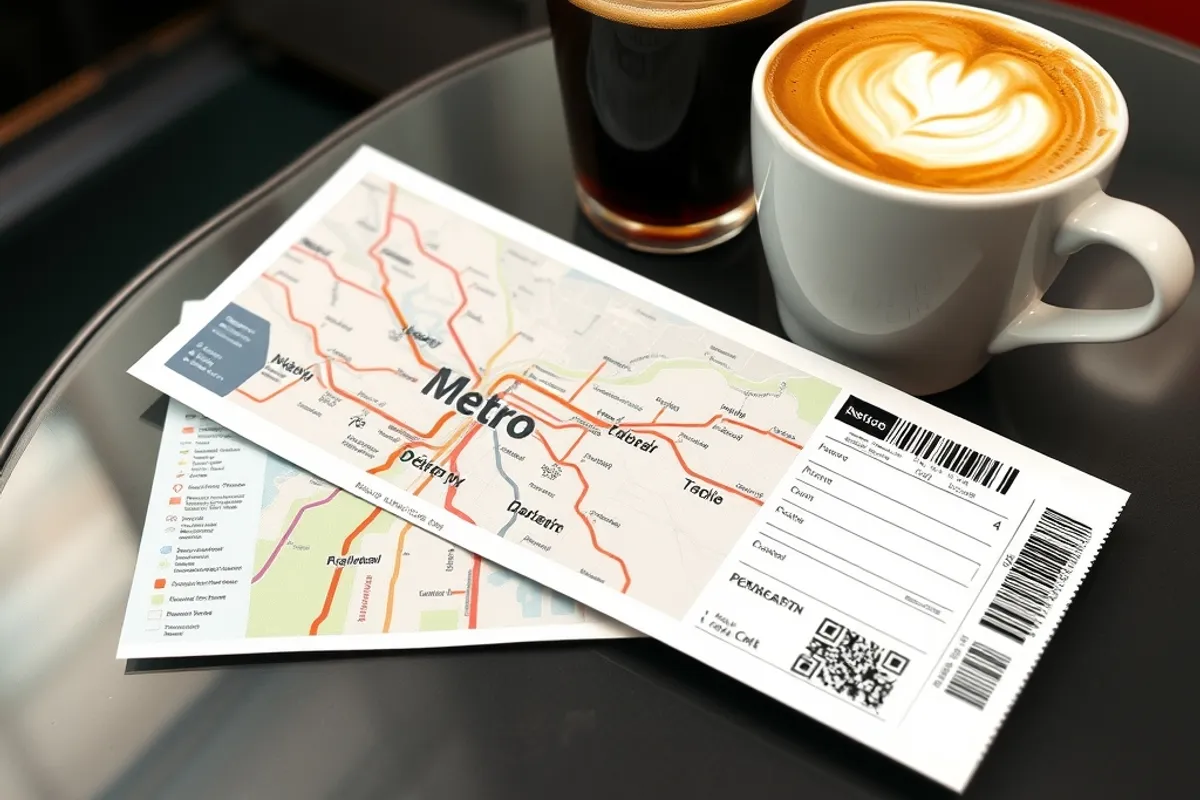
Look for a direct line, not a short straight-line distance. A hotel two kilometres from your destination with a direct tram is better than one kilometre away with two changes. Check the first and last service times. A route that works at noon may not work after dinner.
Test the walk from the station with luggage. Cobblestones, stairs and a steep hill are fine for a day pack and miserable with a suitcase. Check whether the station has lifts, and whether the exit on the map is the one that opens at night. Some stations close secondary exits after a certain hour.
- Direct transit beats a shorter map distance
- Check the last service, not just the first
- Walk the route with luggage in mind
- Read reviews for noise, not just cleanliness
- Confirm the neighbourhood at night
Day and Night Are Different
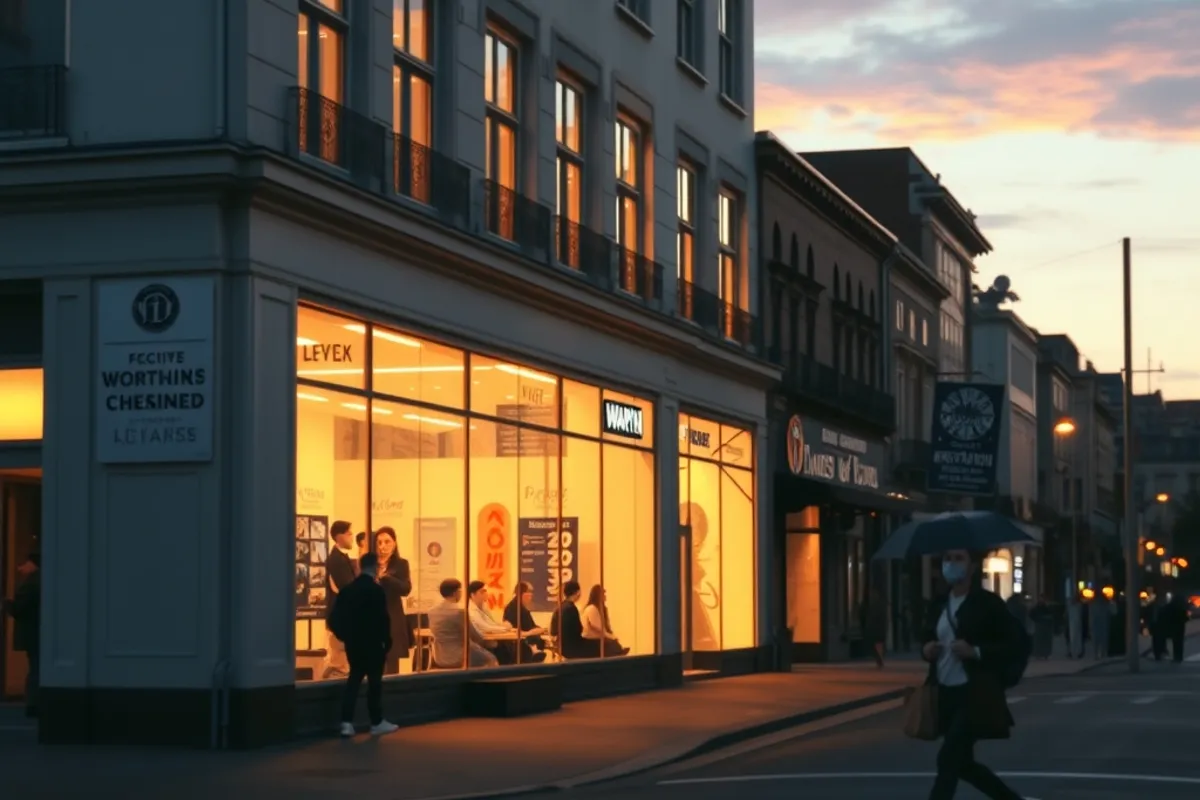
A market district is lively at 8am and empty at 8pm. A nightlife street is the reverse. A business district is convenient Monday to Friday and quiet at the weekend, which can be good or lonely depending on the trip. Look at the area at both times before you book.
Use street view and recent reviews, then search for local news about the street. A construction site, a new tram line or a closed bridge can change the walk for a year. Hotel descriptions rarely mention the crane outside the window.
Tourist Core vs Local Grid
The tourist core is convenient, expensive and designed for visitors. The local grid is cheaper, calmer and usually a better place to eat. The trade-off is time and confidence. A 15-minute walk from the core can cut the room rate by a third and improve breakfast, but only if the route feels safe and active at night.
Do not confuse "local" with "remote". A residential area with no open food after 9pm is not a neighbourhood advantage if you arrive late. Check the nearest grocery, pharmacy and late transport before you romanticise the quiet.
Choose the area for the hours you will spend there, not for the postcard you will photograph once.
Noise, Safety and the Real Walk
Noise is the most under-read hotel review topic. Search reviews for "thin walls", "bin collection", "church bells" and "bar next door". A central room can be quiet if it faces a courtyard; a suburban room can be loud if it faces a motorway. Ask for a high floor at the back and confirm it in writing.
Safety is local and specific. Read official travel advice and recent local reporting, then ask the hotel which streets they recommend after dark. No city is uniformly safe or unsafe. The useful question is which route, at which hour, feels comfortable for you.
Hotel Rate vs Neighbourhood Cost
A cheaper room in a district where every meal costs $40 is not cheaper. Add breakfast, dinner and transport to the room rate for a fair comparison. A central hotel that includes breakfast can beat a cheaper room with a 20-minute commute and a $15 breakfast.
Check the local tourist tax, which is often charged per person per night and not included in the online rate. Also check the deposit and the card fee. These small lines decide the real price more than the headline discount.
Accessibility and Luggage
If you have mobility needs, confirm the lift, the step at the entrance and the width of the bathroom door. "Accessible" means different things in different countries. Ask for a photo of the entrance and the exact number of steps. A hotel that cannot answer clearly is not the right choice.
For a short trip, luggage matters less, but a suitcase on cobblestones still ruins a mood. A hotel near a taxi rank or a smooth tram line is worth a small premium. If you are changing cities by train, stay within walking distance of the station on the last night.
A Short List
Shortlist three areas, not three hotels. For each, check the walk to your main activity, the food options, the night noise and the route back. Then choose the hotel inside the best area that fits your budget. This order prevents a good room in the wrong place.
If you are still planning the days, start with Urban Weekend Itinerary 2026. The anchor and the base should be chosen together; one without the other is how a weekend becomes a commute.