A weekend city break fails when it is built like a checklist. Six sights, three restaurants and a museum in two days looks efficient on paper and feels like a forced march in practice. The fix is not to do less. It is to choose one anchor and arrange the weekend around the walking distance from it.
Build the Weekend Around One Anchor
An anchor is the reason you chose the city: a exhibition, a match, a concert, a market or a specific neighbourhood. Put it on Saturday afternoon or evening, when you still have energy, and let everything else radiate from it. A weekend with one memorable centre beats five average stops.
If you cannot name an anchor, choose a district instead. Old town, harbour, museum quarter, food market. A district gives you a natural route and a place to return to for dinner. A list of landmarks scattered across the city does not.
Choose a Walkable Base
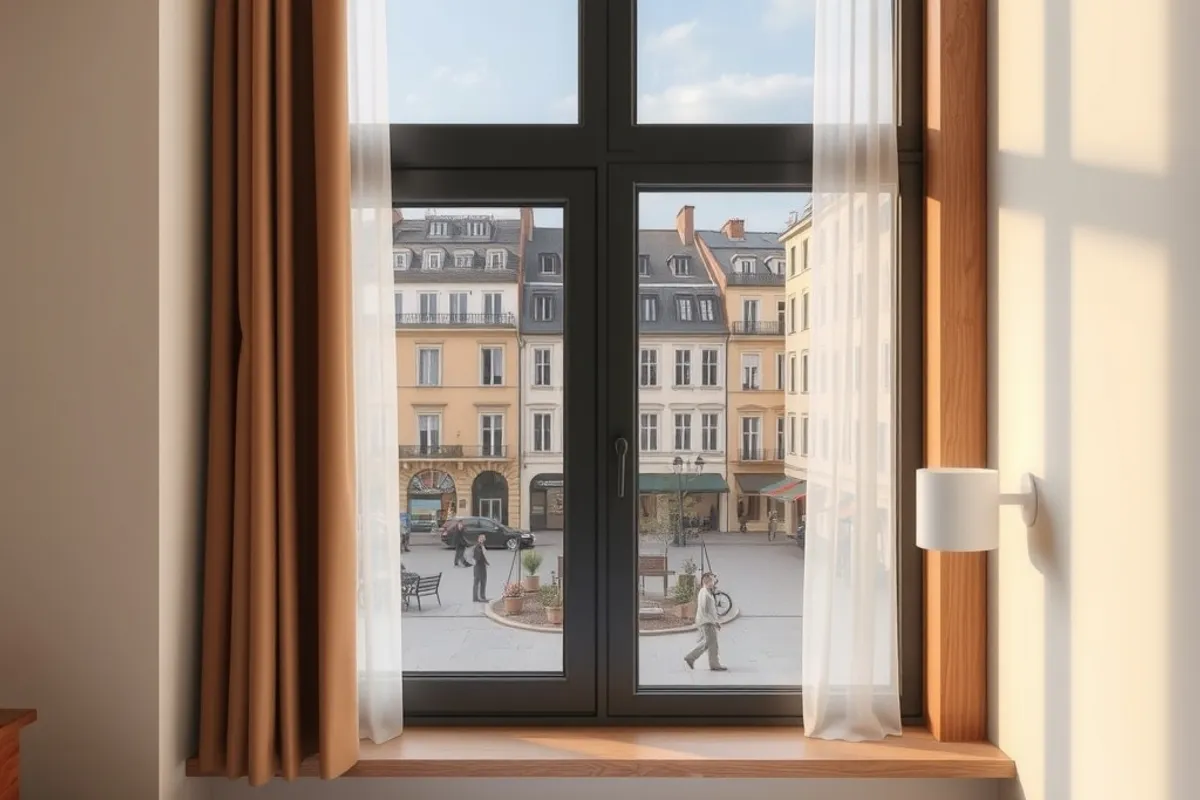
Book the hotel for the walk, not the star rating. A three-star room in the right neighbourhood is a better weekend than a five-star room in a business park. Check the walk to the anchor, the nearest metro or tram and the nearest good breakfast. If all three are under 15 minutes, the base works.
Look at the last 200 metres on street view. A hotel can be close to the station and still sit behind a ring road with no crossing. That detail decides whether you drag a suitcase for five minutes or twenty. Also check whether the street is quiet at night; a central address can be a party street after 11pm.
- One anchor, not five
- Hotel within 15 minutes of breakfast and transit
- Two booked meals, the rest flexible
- One indoor option for bad weather
- Leave Sunday afternoon open
Friday Night: Arrive, Eat, Walk
Do not book a tasting menu on arrival night. Trains and flights run late, and a reservation you cannot reach is money wasted. Choose a neighbourhood place with a counter or a short menu, then take a 20-minute walk. The walk does more for your sense of the city than a cab to a famous street.
Buy a transit card or set up the local app before you leave the station. Test it on one short journey that evening. A ticket machine at 11pm with a queue is not the moment to learn the system. Keep a screenshot of the hotel address and a paper note of the phone number.
Saturday Morning: The Local Start
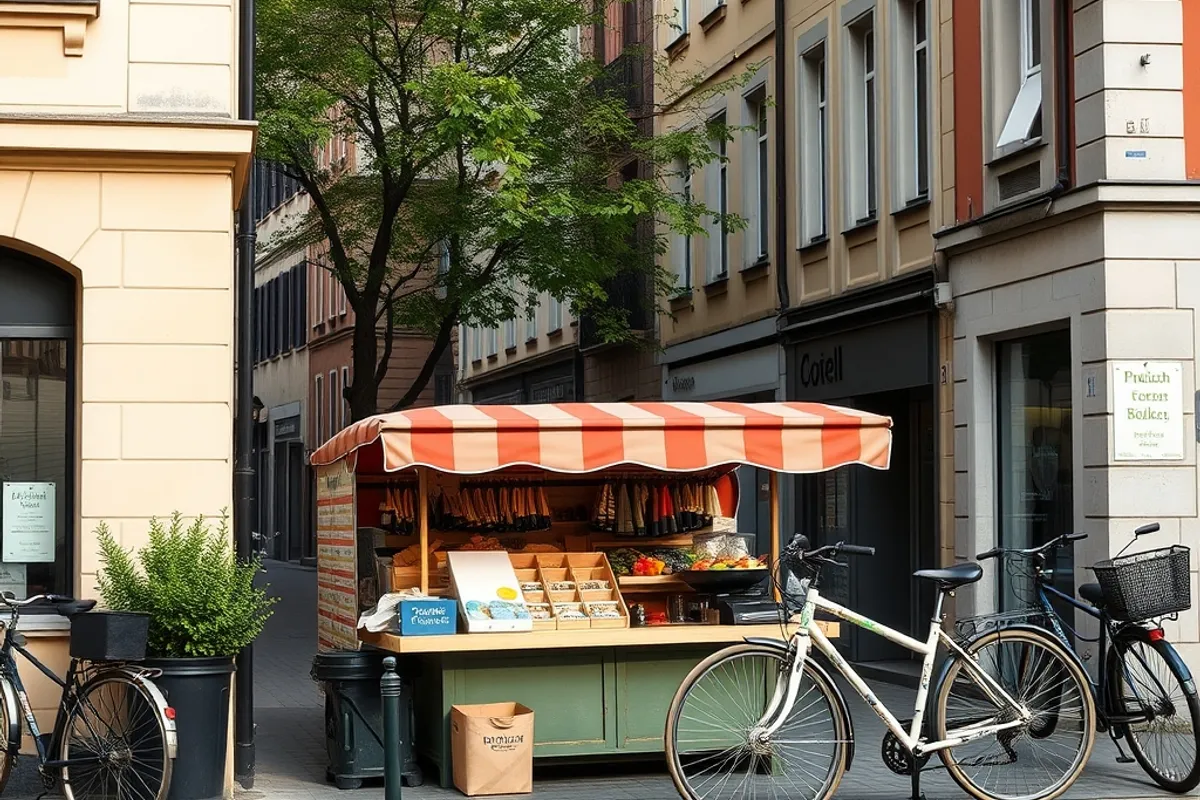
Start where residents shop. A market, a bakery, a produce hall or a morning square gives you the city's real rhythm and a cheap breakfast. Arrive before 10am if you want the market at full strength. By noon the best stalls are packing up and the crowds have moved to the tourist core.
Pick one small museum or gallery for late morning. Small museums are easier to enjoy on a weekend than national collections, and they leave you fresh for the afternoon. If the weather is good, choose a walking route through two neighbourhoods instead. Save the big museum for a return trip or a rainy day.
The best city weekend has one fixed point and a lot of room around it.
Saturday Afternoon: The Anchor
Give the anchor its own block of time. Arrive early, book the timed entry and leave the next two hours free afterwards. Do not schedule a second major sight for the same afternoon. The pleasure of a good exhibition or match is in the attention you give it, not in how quickly you move on.
Book tickets directly with the venue where possible. Resellers add fees and sometimes sell entry times that do not exist. Check whether the ticket includes a cloakroom, an audio guide or a separate exhibition. Those small costs are easier to absorb before you arrive than at the door.
Saturday Evening: One Good Dinner
Book one dinner for the weekend, not three. Choose a restaurant within walking distance of the hotel or the anchor, and confirm the cancellation policy. A long taxi ride across town at 10pm is a poor end to a good day. If the city is known for a specific cuisine, eat it where residents eat it, not only where the guidebook points.
Keep the rest of the evening loose. A bar near the restaurant, a night walk, an early return. The second day is better when the first night ends before midnight. If you want a nightlife district, check how you will get back and whether the metro runs late.
Sunday: The Slow Half-Day
Sunday is for the thing you missed on Saturday, not for a second checklist. Visit the neighbourhood you liked, return to the market for lunch or take the slow walk along the river. Many museums close or run shorter hours on Sunday, so confirm before you build the morning around one.
Leave the last afternoon open for the journey home. A late checkout helps, but only if the hotel actually offers one without a fee. Store bags at the station if the room checkout is early. Rushing the final two hours undoes the rest of the weekend.
Transport and Tickets
Use public transport for the long hops and walk for the short ones. A day pass is worth it if you will make three or more journeys, but not if you are staying in one neighbourhood. Airports and main stations often have a special ticket; check whether it includes the city zone or only the airport line.
Keep tickets in one place, either a wallet folder or an app. Screenshot the return leg in case the signal fails. For a late arrival, know the fallback taxi rank and the approximate fare before you get in. A meter that starts high is not necessarily a scam, but an unmetered ride with no agreed price usually is.
A Two-Day Budget
For one person, a realistic weekend budget is $180 to $320 for the hotel, $70 to $120 for food, $25 to $45 for transport and $30 to $80 for one anchor ticket. Add a $60 buffer. That total excludes travel to the city. If it is too high, cut the hotel star before you cut the anchor.
The point of a weekend is not to collect the city. It is to leave with one place you would return to. If you are still choosing where to sleep, read City Hotel Neighborhoods before you book.