Most cultural trips are built from a list: the famous museum, the old town, the cathedral, the market. You can see all four and learn almost nothing. The alternative is not to skip them. It is to give one of them enough time, and let the others become context rather than tasks.
Start With a Question, Not a Checklist
Choose a question that the destination can answer. How did this city feed itself? Who built the old quarter, and who was moved out of it? What does the local language reveal about the region? A question gives your visit a shape and makes the guidebook feel less like a to-do list.
Write the question down before you book anything. Then choose one anchor that speaks to it: a museum, a neighbourhood, a market, a religious site or a landscape. The anchor is the deep visit. Everything else supports it.
Build Around One Deep Visit
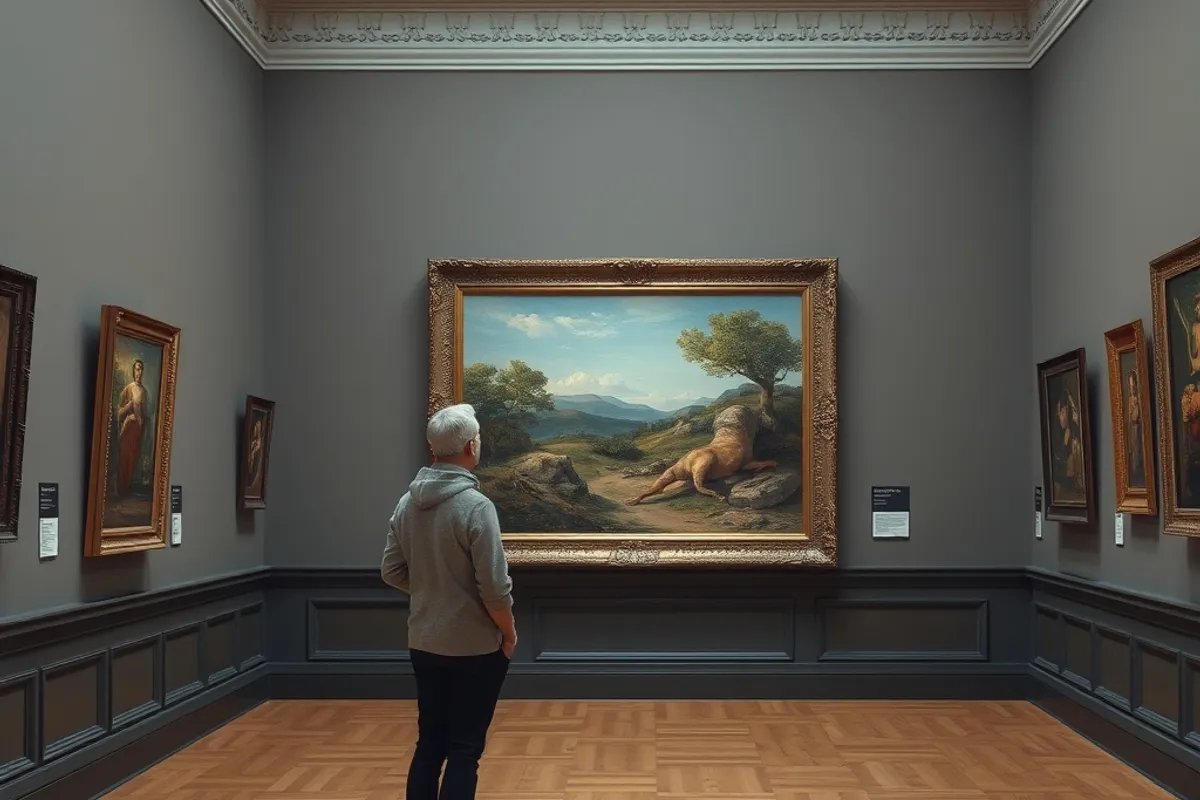
Give the anchor at least three hours, including travel and a pause. A large museum needs a full morning; a small house museum needs 90 minutes. Do not schedule a second major site for the same day. The point is attention, and attention runs out.
Book the timed entry directly with the venue. Resellers add fees and sometimes sell slots that the venue does not honour. Check what the ticket includes: a permanent collection, a special exhibition, an audio guide, a cloakroom. Those details decide whether the visit is smooth or rushed.
- One anchor, three hours minimum
- Book timed entry with the venue
- Leave the next block free
- Eat near the anchor, not in the lobby
- Ask one local guide a real question
Tickets and Timed Entry
Popular museums sell out weeks ahead in peak season. Check the official site first, then the venue's own social accounts for changes. Some museums release a small number of same-day tickets; arrive early if you are relying on them. Keep a screenshot of the ticket and the entry time.
Look at the entry slot, not just the date. A 9am slot gives you a quiet first hour; an 11am slot arrives with the tour groups. If you have a choice, take the earliest or the last slot. The middle of the day is for the café and the garden.
Guides and Interpreters
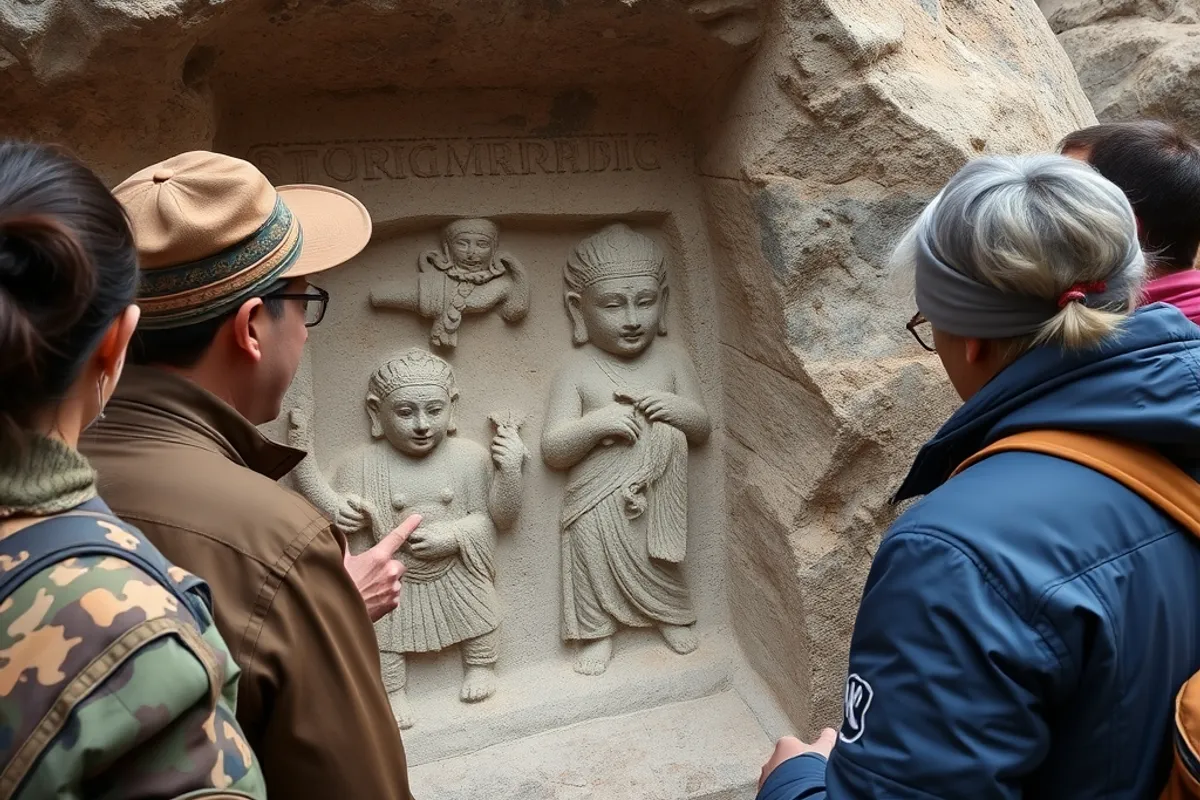
A good local guide can turn a room of objects into a story. A bad one recites dates. Ask what the guide's background is and whether the tour is thematic. A two-hour walk with a resident historian is often better value than a bus tour with 40 people and a microphone.
Book guides through the venue or a licensed local association. Ask about language, group size and accessibility. If you need an interpreter, confirm the fee and the duration in writing. A guide who answers questions before the tour is usually a guide who will answer them during it.
One room understood is worth more than ten rooms photographed.
Food as Culture
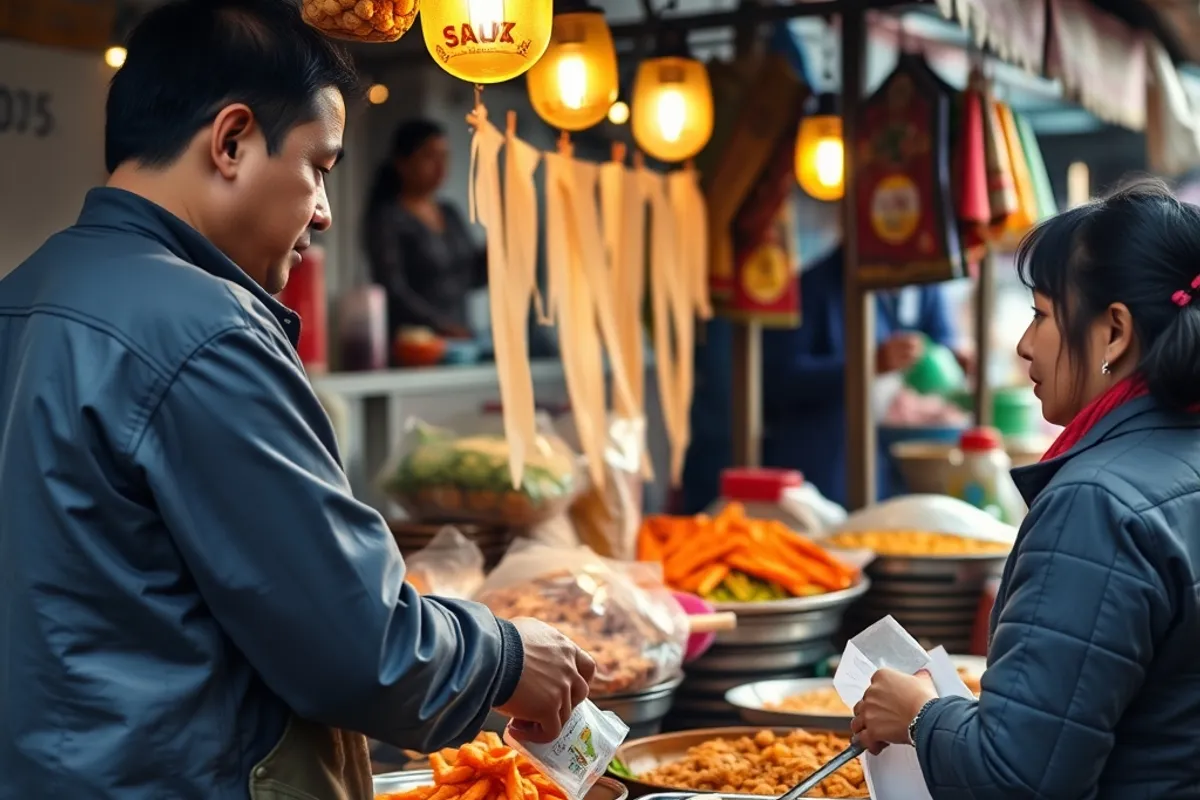
Food is not a break from the cultural programme. It is part of it. A market breakfast, a home-style lunch and a regional dinner tell you more about a place than a museum label. Choose one meal a day that is specific to the region, and eat it where residents eat.
Ask what is in season and what is local. Avoid the restaurant with photographs of every dish and a menu in six languages unless it is the only option. A short menu in the local language, with someone willing to explain it, is a better sign. If you have dietary needs, learn the key phrases or carry a card.
Respectful Photography
Photography rules exist for a reason. Some sites forbid flash to protect pigments; some communities forbid images of people or ceremonies. Read the signs and ask before photographing people. A nod toward the camera is not consent if the person is uncomfortable.
Do not treat worshippers as scenery. If a site is active, step aside, keep your voice low and dress appropriately. A photograph of a ritual is not worth interrupting it. When in doubt, put the camera away and look.
Local Economics
Spend where it stays. Buy from the market, hire a local guide, eat at a family restaurant and use a locally owned guesthouse. A chain hotel and an international tour company can be convenient, but a larger share of the money leaves the region. Ask who owns the business if it is not clear.
Pay in local currency where possible and keep small notes for markets and tips. Check whether bargaining is expected or rude. In many places, a fixed price is a sign of respect, not a lack of flexibility.
A Three-Day Cultural Plan
Day one: arrive, walk the neighbourhood and eat a local dinner. Day two: the anchor in the morning, a long lunch, a quiet afternoon and an evening walk. Day three: a market, a small museum or a second neighbourhood, then an early finish. That leaves room for the question to settle.
For the etiquette that makes the plan work, read Local Culture Guide 2026. The best cultural travel is not about seeing more. It is about being a better guest.