Most travellers want to be respectful. The problem is that respect looks different in different places. A gesture that is friendly at home can be rude abroad; a photograph that feels harmless can interrupt a ceremony. The solution is not to memorise every custom. It is to arrive curious, watch first and ask when you are unsure.
Learn the Rules Before You Arrive
Check the official travel advice for your destination and read the cultural section, not just the safety section. Look up dress codes for religious sites, photography rules and local laws that surprise visitors. A few minutes of reading prevents most accidental offence.
Learn five phrases: hello, thank you, please, excuse me and "do you speak English?". The effort matters more than the accent. In places where English is common, starting in the local language is still a small courtesy that changes the tone of the exchange.
Dress and Behaviour
Dress for the setting, not only the weather. A beach outfit is fine at the beach and inappropriate in a temple, a market or a government office. Carry a light scarf or long shirt for sites that require covered shoulders and knees. It costs little and shows you noticed.
Behaviour includes volume. A quiet voice in a residential street, a sacred site or a small restaurant is usually the right default. Do not play music on speaker in public transport. Do not block a doorway to take a photo. These are small things that locals notice.
- Check dress codes for religious sites
- Ask before photographing people
- Keep your voice low in residential areas
- Learn five basic phrases
- Spend with locally owned businesses
Markets, Temples and Homes
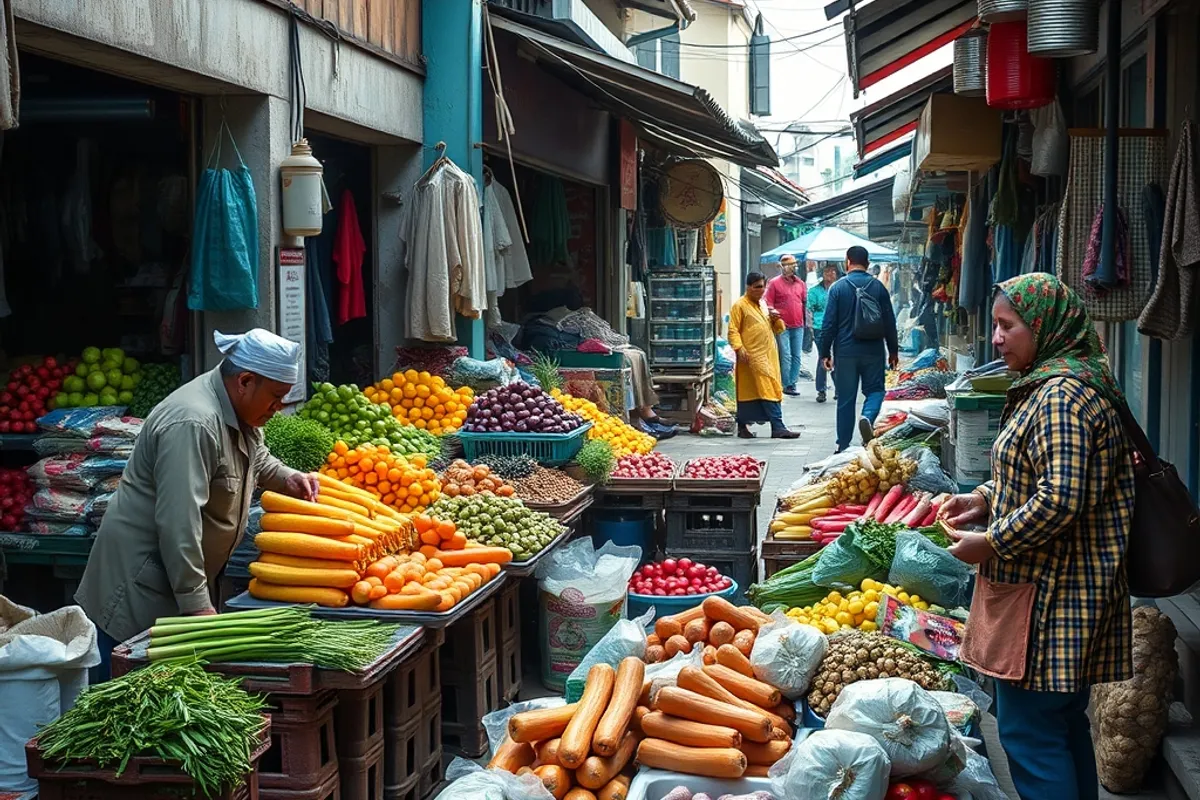
A market is a workplace. Ask before touching produce, do not block a stall to take a photo and do not bargain for sport. A temple or church is a place of worship, not a backdrop. Step aside for people praying, follow the shoe rules and keep phone calls outside.
If you are invited into a home, accept what is offered with thanks, remove your shoes if that is the custom and ask before taking photos. Bring a small gift only if you know the etiquette; otherwise a sincere thank-you is enough. Do not overstay a welcome.
Tipping and Bargaining
Tipping norms vary widely. In some countries a service charge is included; in others, tips are expected and form part of wages. Check the local convention and leave cash in the hand of the person who served you. A tip added to a card may never reach the staff.
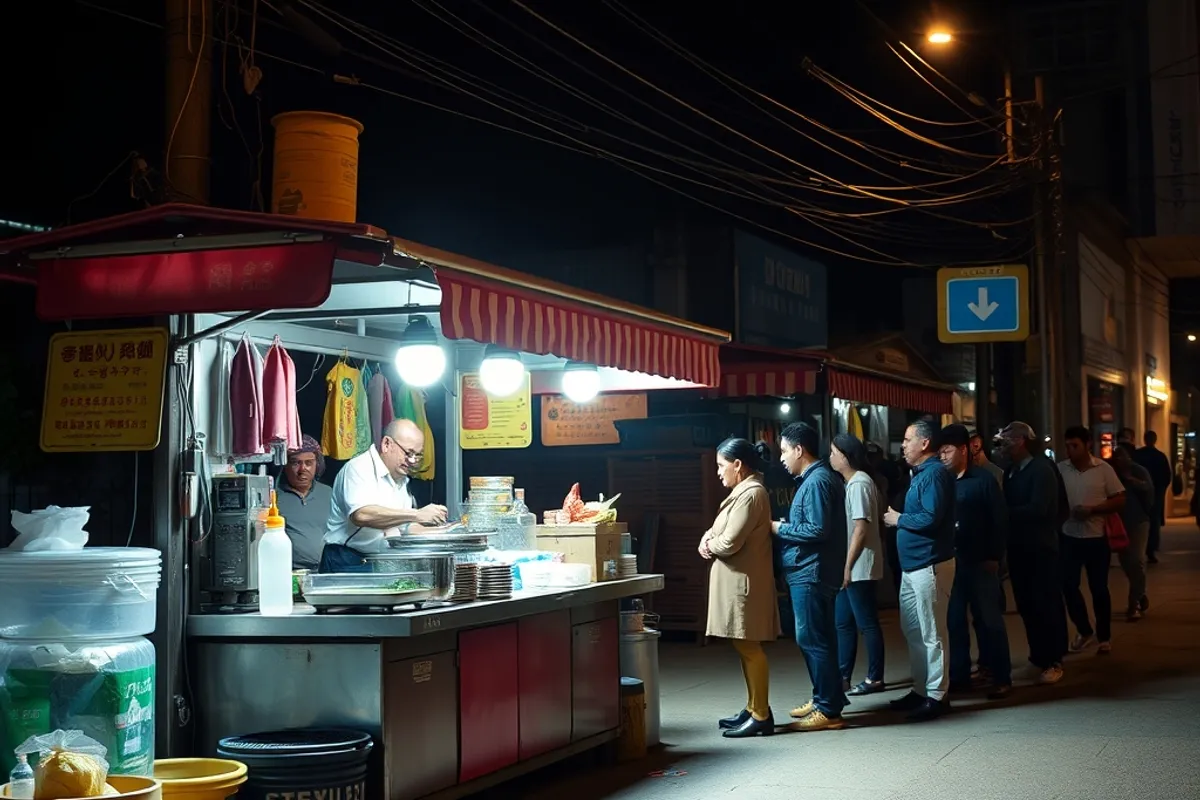
Bargaining is appropriate in some markets and rude in others. If prices are fixed, pay them. If bargaining is normal, keep it friendly and reasonable. Walking away is fine; humiliating a seller is not. Remember that the amount you are arguing over may be small to you and significant to them.
The goal is not to pass as a local. It is to be a guest who pays attention.
Language and Small Efforts
Use the local greeting when you enter a shop or a taxi. Say thank you when you leave. If you cannot pronounce a word, ask. People generally appreciate the attempt, and a smile covers the mistakes. Avoid assuming everyone speaks English, even in a tourist area.
Learn the word for "no" and "I am sorry". Learn how to ask for the bill. These small phrases make daily interactions smoother and show that you see the other person as more than a service provider.
Photography and Consent
Ask before photographing a person, especially in a market, a village or a ceremony. A gesture toward the camera is not consent if the person looks uncomfortable. If someone says no, put the camera away and thank them. Do not photograph children without a parent's permission.
Respect signs that forbid photography. Some sites protect fragile art, and some communities protect their privacy. A photograph is not a right. The memory is enough, and the place will still be there for the next visitor.
Spending That Stays Local
Choose locally owned accommodation, guides, restaurants and shops where you can. Ask who owns the business if it is not clear. A locally owned guesthouse keeps more money in the community than an international chain, and it usually gives you better advice about the area.
Buy directly from makers when possible. Pay in local currency, keep small notes and do not demand a discount as a matter of course. A fair price is part of a fair trip. If you want to give, ask a local organisation what is actually needed rather than handing out sweets or money to children.
Leaving a Place Better
Carry your rubbish, use refillable water, stay on marked paths and respect wildlife. Do not buy products made from endangered species, and do not support animal experiences that compromise welfare. These choices are part of cultural respect, because the local environment is part of local life.
Before you leave, ask yourself whether you would be welcome back. If the answer is yes, you probably travelled well. For the planning side, read Cultural Trip Planning 2026 and build a trip that leaves room for the place to surprise you.