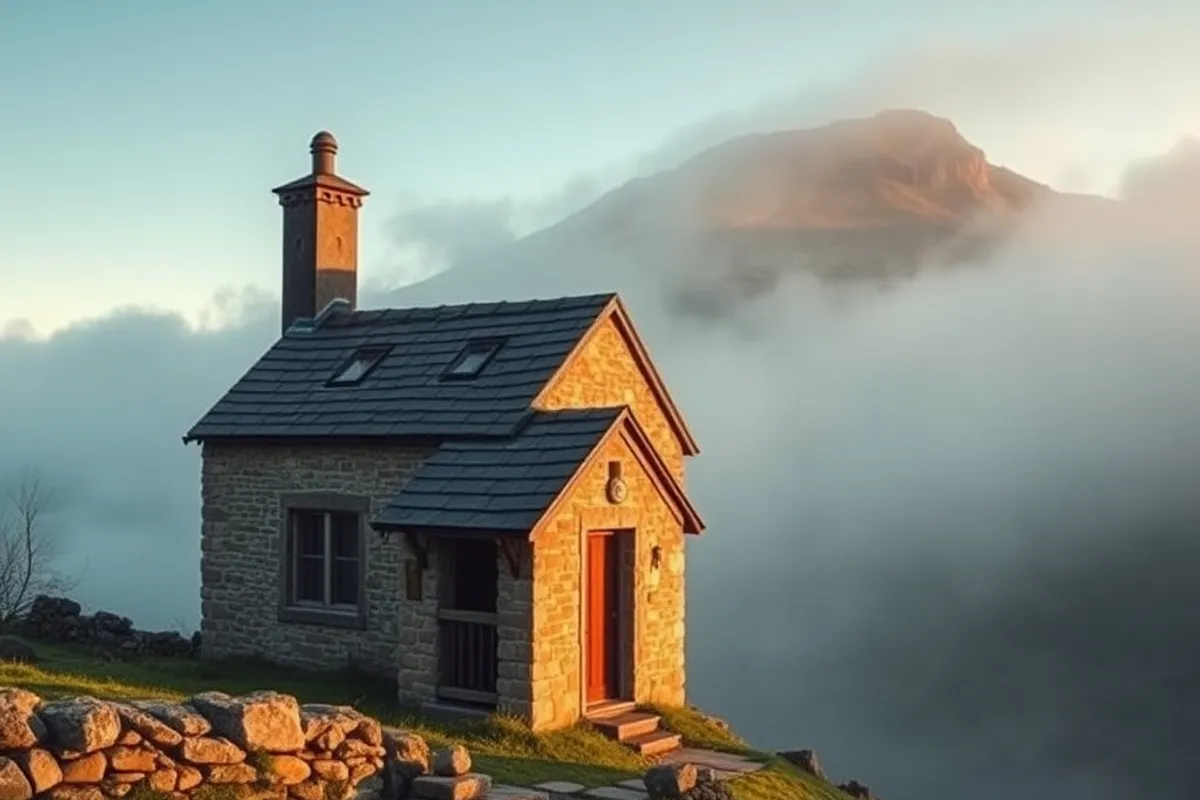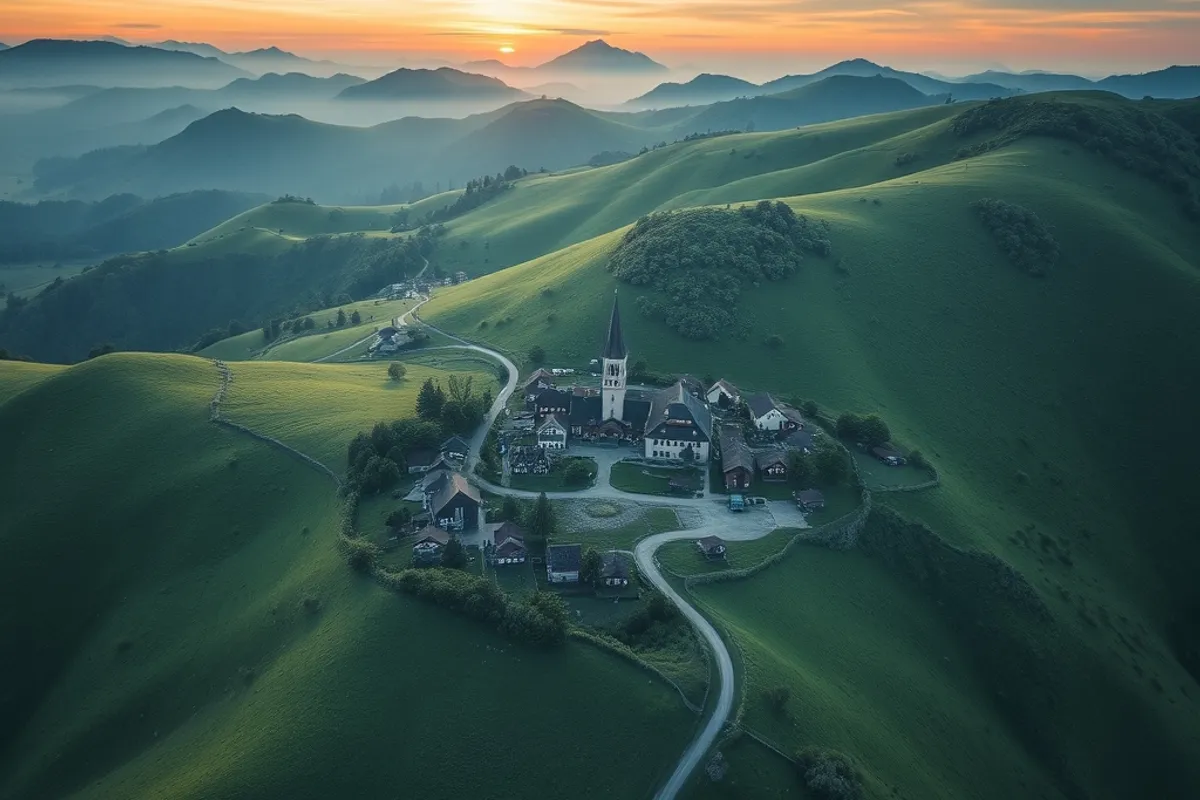
The word hidden has been flattened into a marketing label. A hotel with no sign and a 90-minute drive can still be fully booked, and a village with one café can still be the most crowded place in the valley at noon. Quiet is not a location on a map. It is a combination of access, season and how many people made the same plan.
What Hidden Actually Means
A hidden getaway has three qualities: it is not on the main circuit, it has enough local life to function outside tourist season, and it is reachable without a risky last mile. Miss the third and you have found a beautiful place that is difficult to leave. Miss the second and you have found a stage set that closes on Sunday.
Ask what remains open in the month you are travelling. A restaurant that opens only in July is not a restaurant in October. A bus that runs twice a day in summer may not run at all in winter. Local life is the infrastructure that makes a quiet place comfortable.
Start With the Shoulder Season
Shoulder season is the easiest way to find quiet without finding closed doors. The weather is usually workable, the crowds are thinner and the owners have time to talk. In southern Europe, late May and September are the reliable windows. In the tropics, the edges of the wet season can be green, cheap and surprisingly dry, but you need to check the specific month.
Do not chase the absolute cheapest week. A week before a festival or a public holiday can be busy and expensive even in a small place. Check the local calendar, school holidays and any event that fills every room within 50 kilometres.
- Choose a month when local services still run
- Confirm the last mile before you book
- Read reviews for noise, not only views
- Keep one flexible day for weather
- Buy travel insurance that covers delays
Choose Access Over Isolation
The best hidden places are 20 minutes from a town, not two hours from a road. That distance gives you a quiet night and a real fallback: a pharmacy, a mechanic, a train. A remote cabin is wonderful until the water pump fails or the road washes out. Check the nearest hospital and the nearest alternative accommodation.
Look at the route in daylight and at night. A mountain road that looks fine on a sunny afternoon can be foggy and unlit after dinner. Ask the host whether they recommend driving it after dark. If the answer is vague, plan to arrive before sunset.
Read the Last Mile
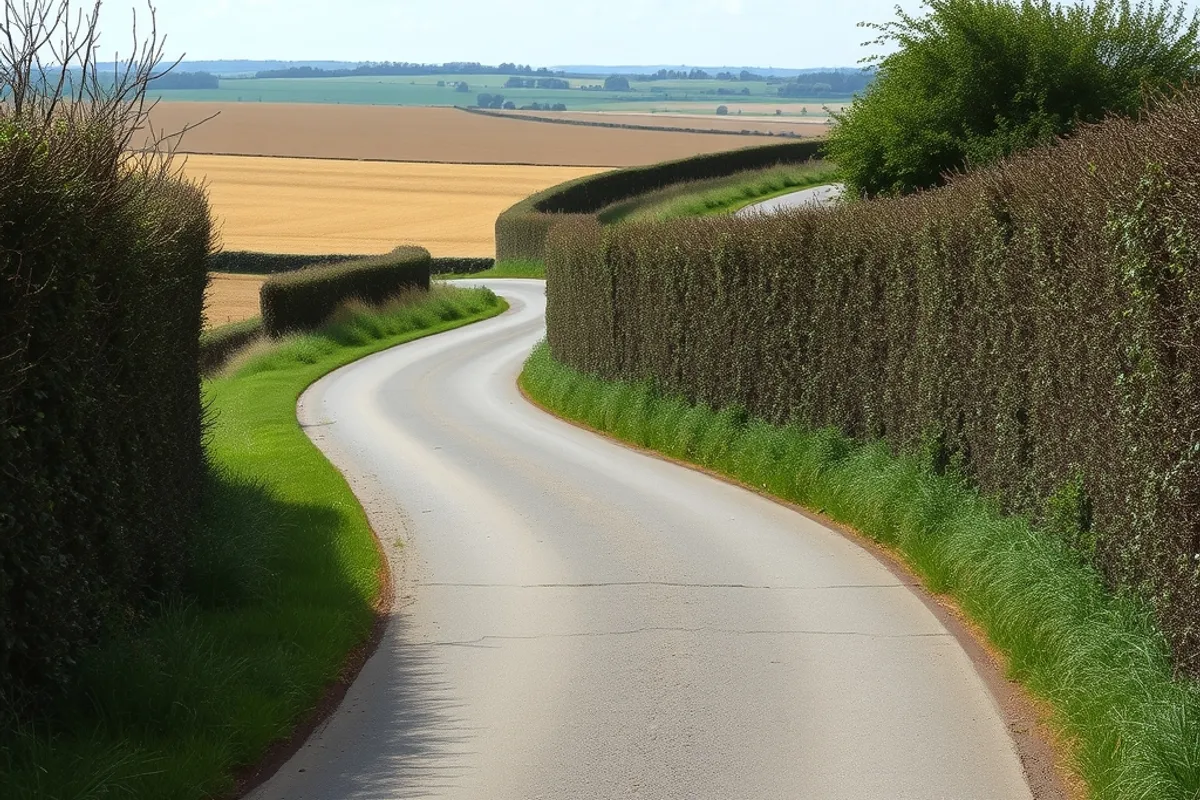
Many listings call themselves secluded when they mean the final 800 metres is a dirt track. That is fine for a high-clearance car and a confident driver, and miserable for a small rental. Ask for the road surface, the gradient and whether a normal car can manage it in rain.
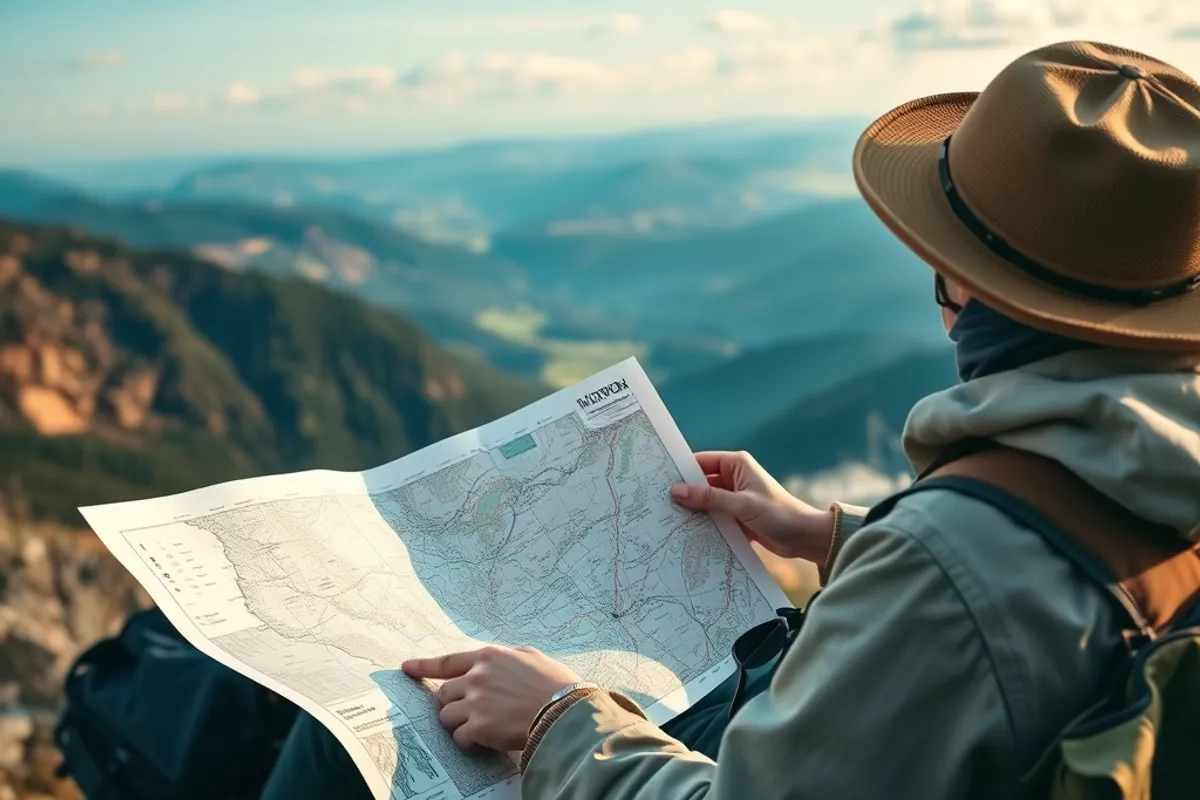
Check parking, luggage transfer and mobile signal. A host who offers to meet you at the village square is solving a real problem. A host who says "you will find it" is not. Save the offline map and the host's phone number before you leave the main road.
Quiet is a setting, not an achievement. You still need a way to buy bread and leave when the storm arrives.
Small Properties and Real Reviews
Small properties live on reviews, which makes them useful and sometimes anxious. Read the three-star reviews first; they are usually the most specific. Look for repeated words: damp, thin walls, steep, no hot water, lovely host. One complaint can be a bad day. Three similar complaints are a pattern.
Check the age of the review and the season it describes. A guest who stayed for two nights in July did not test the heating in November. If the property is new, ask the host for the exact room, the view and the breakfast arrangement in writing.
Food and Connectivity
Assume you will cook at least two meals. A hidden place with one restaurant is charming until the restaurant closes for a private event. Find the nearest grocery, the market day and the opening hours before you arrive. Bring the basics you know you will want: coffee, salt, oil, a few snacks.
Connectivity is part of access. If you need to work, confirm the speed and whether it is shared. If you want to disconnect, confirm there is a landline or a reliable way to call for help. A dead zone is relaxing for a weekend and isolating for a week.
The Environmental Cost
Hidden places are often fragile. A narrow road, a small water supply and a fragile trail cannot absorb the same volume as a resort town. Stay on marked paths, carry your rubbish out, use refillable water and respect private land. A quiet place stays quiet because visitors behave.
Choose a property with a local owner where possible. Money spent with a local host, a local guide and a local grocer stays in the place you came to see. That is a better contribution than a chain hotel with a "hidden" label.
A Quiet-Trip Checklist
Before you book, answer five questions. Is the property open in my month? Can a normal car reach it? Is there food within a reasonable drive or walk? What happens if the weather closes the road? Who do I call if something fails? If any answer is missing, keep looking.
Then leave one day unplanned. The point of a hidden getaway is not to tick off a list but to notice where you are. For an island version of the same plan, read Off-Season Island Escape 2026.