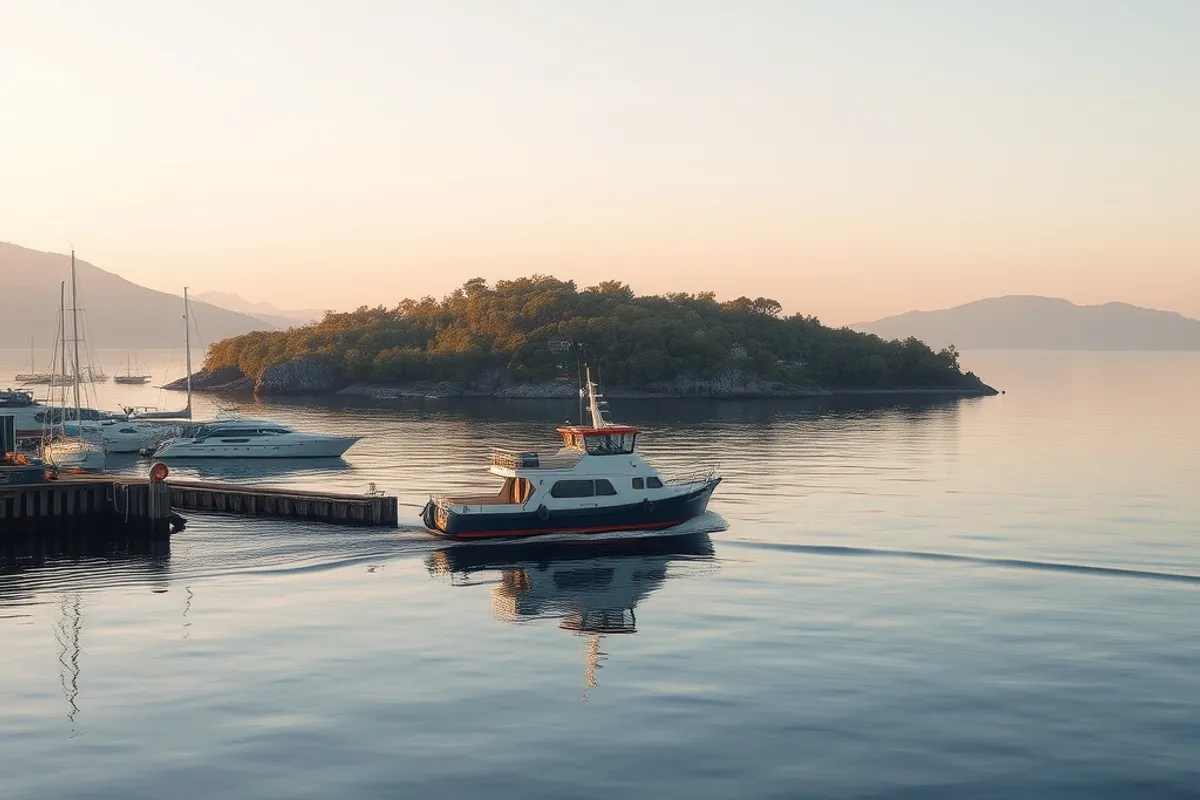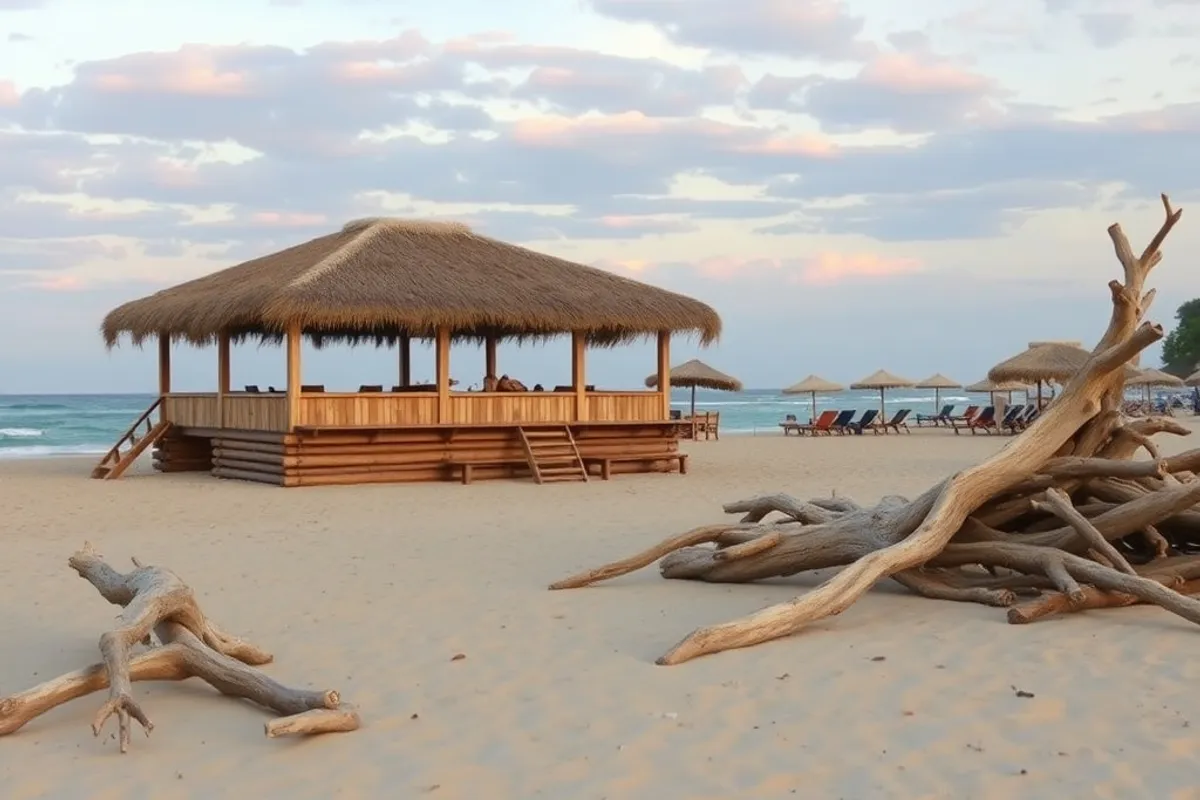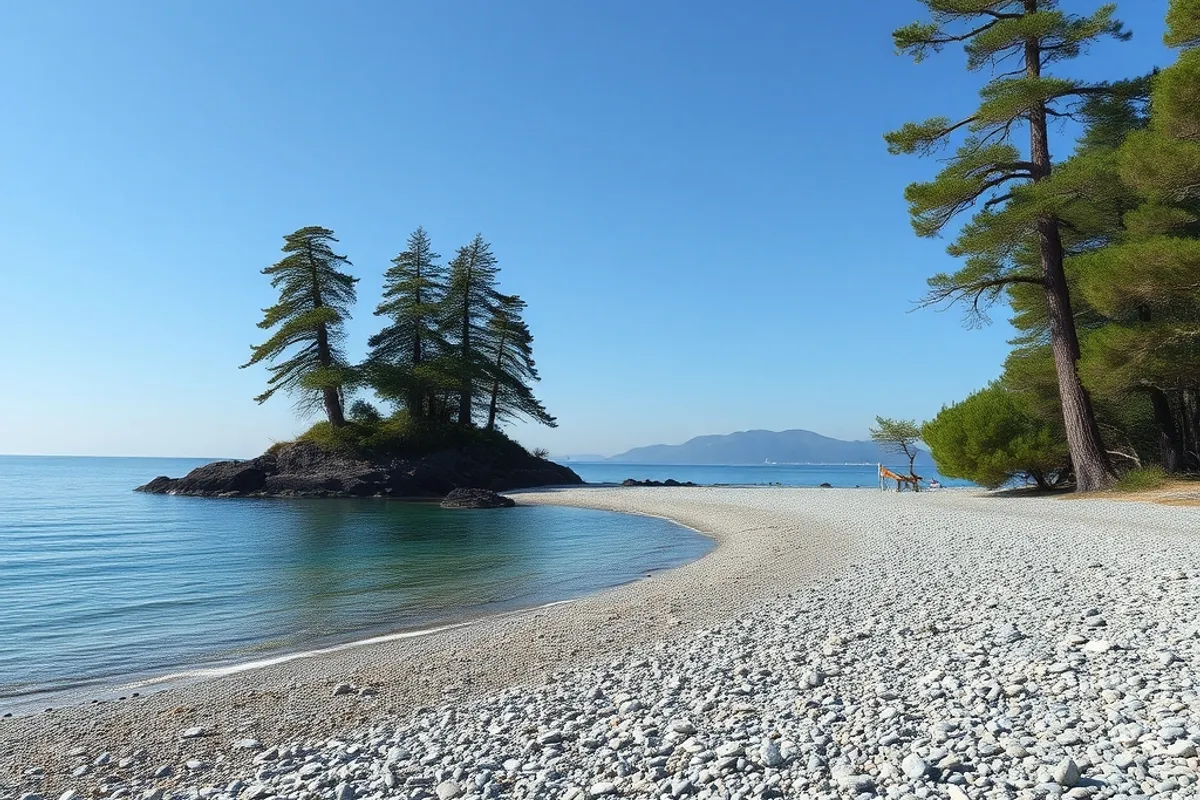
Islands are honest about season. When the boats slow down and the beach bars close, the place either has a real community or it does not. That makes off-season travel a useful filter. You see the island as residents live it, and you pay less for the privilege. You also need to plan the transport and the weather more carefully than a summer visitor.
Why Off-Season Works
Prices fall because demand falls, not because the island is bad. The same room can cost 40 percent less in October than in August. Restaurants have time to cook, trails are quieter and the light is often better for photographs. The trade-off is shorter days, some closed businesses and a higher chance of a cancelled boat.
The best off-season weeks sit just after the peak, when the sea is still warm and the services have not fully wound down. Ask a local host which week they would choose. Their answer is usually more accurate than a generic climate chart.
What Closes and What Stays Open
Beach clubs, seasonal hotels and some boat tours close first. Groceries, pharmacies, schools and ferries usually stay open, because residents need them. The gap is in the middle: the nice restaurant that opens only for tourists, the dive shop with one instructor, the bus that runs for the summer timetable.
Email the property and ask three specific questions: which restaurants are open, whether the ferry runs daily and whether the pool is heated. A vague "everything is open" is a warning. A host who names the open restaurant and the ferry company is telling you the truth.
- Room rates can fall 30 to 50 percent outside peak
- Ferries may run less often or cancel in wind
- Some restaurants and tours close for the season
- Carry one extra day of medication and cash
- Book flexible transport where possible
Weather You Can Live With
Off-season weather is not just cooler. It is less predictable. A week of sun can be followed by two days of wind and rain. That is fine if you plan for it: a good book, a covered terrace, a museum or a cooking class. It is miserable if the whole trip depends on a beach every day.
Check the rainfall total and the number of wet days, not just the average temperature. Look at wind, because wind cancels boats and makes exposed beaches unpleasant. A sheltered bay on the lee side of the island can be calm while the harbour is rough.
Ferry and Flight Risks
Island transport is the part that breaks. Ferries cancel in high wind, small flights cancel in fog and the next available seat can be two days away. Build a buffer before your international flight and keep the airline and ferry company phone numbers offline.
Book the ferry with a company that offers a clear change policy. If you are crossing a rough strait, consider the larger ferry rather than the fast catamaran; it is slower and more reliable in bad weather. Travel insurance should cover weather delays, not just medical costs.
The island does not owe you a schedule. Leave a day between the ferry and the flight home.
Room Rates and Minimum Stays
Off-season rates are lower, but some hotels impose a minimum stay or a cleaning fee that changes the maths. A three-night minimum at a cheap rate can be worse than two nights at a slightly higher rate. Check the total for your exact dates, including tax and transfer.
Ask whether the restaurant and pool are open for your dates. A hotel that closes its kitchen but still sells breakfast is a different proposition. If you plan to self-cater, confirm the kitchen equipment and the nearest grocery. A kitchenette with one pan is not a kitchen.
Food and Staffing
Off-season menus are shorter and often better. The kitchen is not trying to turn tables every 20 minutes. Ask what is local and what came in on the boat. Fish depends on weather, so the menu may change daily. That is a feature, not a failure.
Staffing is thinner, so service can be slower. A small team may run reception, breakfast and the bar. Be patient and ask for what you need early. If you have dietary requirements, email ahead; the off-season kitchen has more time to plan but less stock on hand.
Insurance and Refunds
Read the policy for weather delays, ferry cancellation and medical evacuation. An island with a small clinic may need a boat or helicopter transfer for serious care. Check that the policy covers the activities you plan, including hiking and swimming, and that it does not exclude the month you are travelling.
Pay with a method that offers protection and keep the cancellation terms. A non-refundable rate is only a bargain if the trip is certain. Off-season travel is precisely the situation where flexibility is worth paying for.
A Sample Seven-Day Plan
Fly in, stay one night near the mainland ferry, cross in the morning and spend four nights on the island. Keep the last night near the airport. That structure protects you from a cancelled crossing and still gives you a full island week. Book the first and last nights with free cancellation.
On the island, plan two active days, two slow days and one weather buffer. If the wind picks up, move the boat trip to the buffer day and walk the sheltered side instead. For the broader quiet-trip method, see Hidden Getaways 2026.